About Rubber couplings, air springs, nylon-impregnated tire cord fabric, and waste materials.
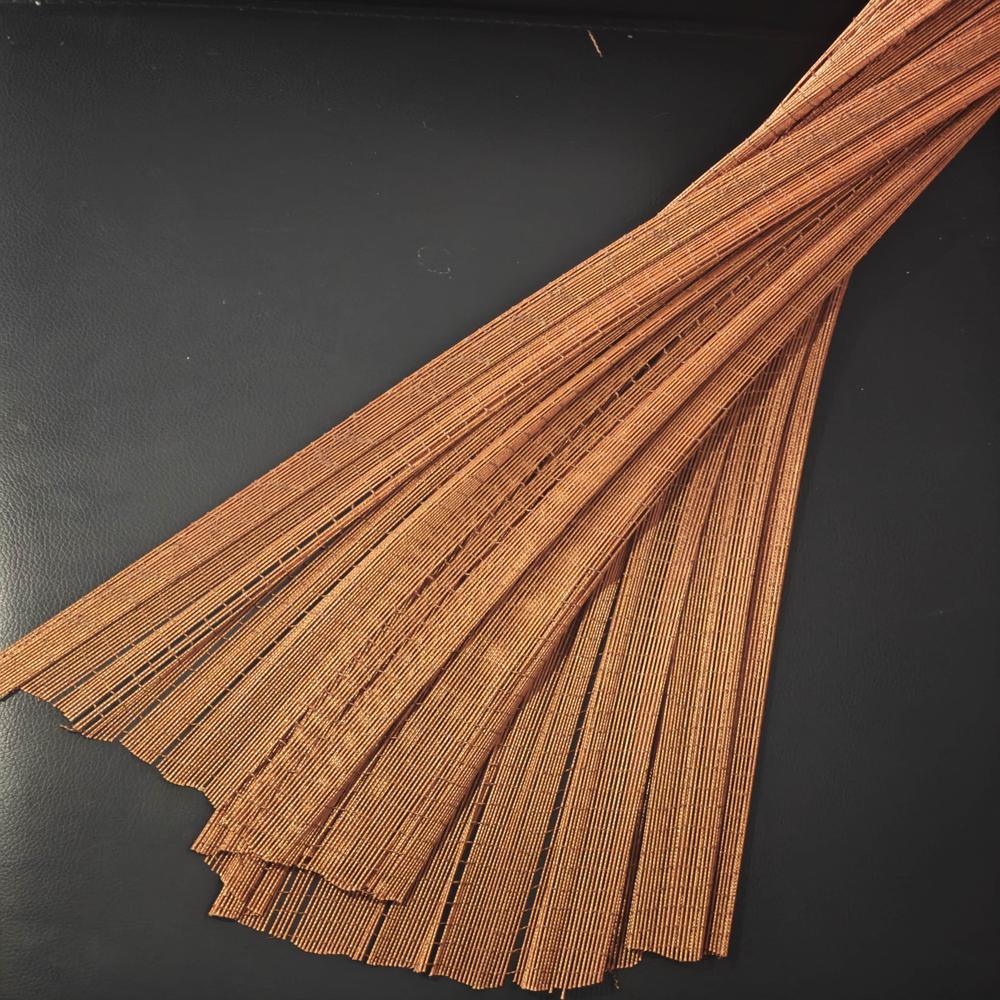
Bgrade polyester cord fabric features good strength and durability, meeting the requirements for reliability and service life during practical use.
It is a highquality raw material for the production of fishing nets, ropes, and related products.
Engineered for Superior PerformanceOur nylon-impregnated tire cord fabrics are meticulously designed to provide exceptional strength and flexibility required in high-stress industrial applications. With a tensile strength surpassing 3000 N/5cm and a controlled elongation at break, these materials guarantee reliability in rubber couplings, air springs, and suspension systems. Detailed finishing and calendared surfaces enhance bonding and durability, making them ideal for continuous heavy-duty use.
Sustainable and Versatile Material SolutionsCommitted to eco-friendly practices, our materials are 100% recyclable, including processed offcuts, surplus sheets, and rubber waste. Available in bales, rolls, or bundles, we meet the requirements of manufacturers and recyclers seeking sustainability. Our products ensure reduced environmental impact while retaining premium industrial performance.
Broad Industrial ApplicationsUtilized across automotive, railway, and heavy machinery sectors, our products can be customized for size, color, and fabric weight to suit diverse technical specifications. Their impressive abrasion and tear resistance, combined with low shrinkage and moisture content, ensure stable, long-term performance in even the most challenging operational settings.
FAQ's of Rubber couplings, air springs, nylon-impregnated tire cord fabric, and waste materials.:
Q: How are nylon-impregnated tire cord fabrics processed for industrial use?
A: These fabrics are manufactured through a sophisticated impregnation and calendaring process, ensuring excellent rubber-to-fabric bonding and uniform texture. The fabric can be supplied unfinished or trimmed as required for use in rubber couplings, air springs, and various suspension systems.
Q: What benefits do these materials offer in automotive and railway applications?
A: They provide high tensile strength, excellent elongation, and superior abrasion and tear resistance. These properties ensure they withstand demanding stresses in automotive and railway suspension systems, thus improving safety, longevity, and operational efficiency.
Q: When should waste materials such as offcuts and rejected sheets be used or recycled?
A: Processed offcuts, surplus rolls, and rejected sheets are ideal for recycling or secondary industrial applications immediately after generation or receipt. Proper storage ensures their quality is preserved until use or disposal.
Q: What is the recommended process for storing and handling these products?
A: Store materials in a clean, dry area with minimal exposure to moisture or direct sunlight. This preserves mechanical properties and extends storage life up to two years, ensuring consistent performance upon application.
Q: Where can these materials be utilized beyond automotive and rail sectors?
A: They are suitable for industrial and heavy machinery applications requiring abrasion resistance, flexibility, and durable load-bearing fabrics. Uses include conveyor systems, shock-absorbing couplings, and vibration-damping components.
Q: How does the product contribute to sustainability and eco-friendly disposal?
A: With 100% recyclability and availability in processed waste forms, these materials significantly reduce landfill contribution. They are suitable for eco-conscious manufacturers looking to minimize their environmental footprint.
Q: What are the available customization options for these fabrics and waste materials?
A: We offer customization in thickness, length, width, color, fabric weight, yarn count, and finishing style. Options ensure compatibility with both standard and unique industrial specifications.








 Send Inquiry

 Send Inquiry
 Send Inquiry
 English
 Spanish
 French
 German
 Italian
 Chinese (Simplified)
 Japanese
 Korean
 Arabic
 Portuguese